
The COVID-19 pandemic has certainly thrown education for a loop. Even as classes resumed this past fall, many districts implemented widespread student and teacher quarantines and shifted to virtual learning as new outbreaks and variants emerged.
What new tools, techniques, and innovations should stick around in primary schools even after COVID recedes (whenever that may be)?
Check out this Teach Strats webinar and learn from veteran educators who recall their work-around strategies during the massive shift to remote learning. They’ll provide valuable insight and will suggest which tools and strategies should be kept to create new hybrid learning models for younger students.

- In districts, reaching readiness, retention, and success - March 5, 2026
- AI use is on the rise, but is guidance keeping pace? - January 2, 2026
- 49 predictions about edtech, innovation, and–yes–AI in 2026 - January 1, 2026
More from Teach Strats
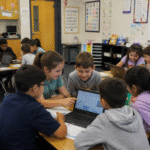
Building math skills by designing backpacks: How PBL shifted the way students see math
Building a strong foundation in math during elementary and middle school is essential for success in the later grades. Because each concept builds on the last, students must truly grasp the material before moving forward.
We need to start giving agency to educators instead of edtech vendors
American schools spent roughly $30 billion on educational technology in 2024–a figure that’s projected to nearly double by 2033. Superintendents are constantly bombarded with emails, brochures, and demos from education technology companies.
My students need real connection, not AI feedback
As I wrapped up my student conferences, one conversation stuck with me. Steven had barely touched his final project for our computer science course, a virtual simulation of a piano, despite showing real promise earlier in the year.

Will schools answer the Canvas breach’s wake-up call?
The recent Instructure/Canvas breach should be a wake-up call for every school and university relying on third-party platforms to power teaching and learning.

Data alone doesn’t determine school success–leaders who know how to use it do
Educators often see recommendations, dashboards, and strategic plans labeled as “data-backed,” as if the numbers themselves drive outcomes. The truth is that data alone cannot make decisions or explain why students struggle or programs succeed.
How districts can build a shared AI structure
In the second week of January, a senior mathematics teacher with 22 years in the classroom raised a hand at the end of a staff meeting and asked a question that changed the way I now design AI literacy work for entire faculties.

This district’s STEM “space station” is a growing YouTube hit
A fictional space station orbiting the moon is turning into a real-world digital success story. Spacegate Station, a STEM series created in 2022 by Duval County Public School (DCPS) to support daily instruction, has unexpectedly taken off on YouTube, drawing sustained engagement from viewers far beyond the district.

Beyond the ban: Rethinking cell phone policies in schools with smarter solutions
Across the country, educators, parents, and policymakers are struggling with a question that schools can no longer afford to avoid: What role should cell phones play in today’s classrooms?
Finding the “low way”: Reclaiming creativity in schools
When my daughter was little, every time we climbed into the car, she’d look up and ask, “Are we going to take the low way?”
How AI helps teachers spend less time on assessments and more time on impactful instruction
The overreliance on AI is a widely discussed topic for teachers, administrators, and families alike. The last thing we want is for technology to stifle the creativity, expertise, and human connection that educators bring to the classroom or hinder our students’ ability to think critically.